
Old Money Fashion: The Definitive 2026 Guide to Quiet Luxury for the Discerning Woman
Why “Old Money” Has Become the Most Searched Aesthetic Among Affluent Women Worldwide
There is a quiet revolution happening in how wealthy women dress, and it has nothing to do with logos. Across Pinterest boards, fashion editorials, and the closets of women who never needed to prove anything to anyone, “old money fashion” has overtaken louder luxury trends as the defining aesthetic of the decade. Pinterest Predicts 2026 and Google data show quiet luxury searches up massively , and the women driving that demand are not chasing a fleeting trend. They are returning to something they may have always intuitively understood: that true wealth has never needed to announce itself.
This guide is written for the woman who already owns quality, who is building a wardrobe meant to outlast seasons, and who wants to understand precisely what separates authentic old money style from its many imitations — and where to source the heritage pieces that define it.
Old Money vs. Quiet Luxury: Understanding the Distinction
Many use these terms interchangeably, but there is a meaningful difference worth knowing if you want to dress with real authority. Old money style refers to the aesthetic of wealthy families of the older generation, with specific elements like tartan, pearls, and preppy references, while quiet luxury is a more contemporary and universal approach, focusing on discreet quality without reference to a specific social class . Both philosophies reject ostentation, but with different nuances  — old money carries inherited, generational weight; quiet luxury is the modern vocabulary anyone with taste and means can speak fluently.
What unites them is the principle that defines this entire movement: quiet luxury is a philosophy of dressing in which the quality of what you wear does the communicating, instead of the logo, the price tag, or the trend cycle . As one industry voice puts it plainly, no logos, no trends — just impeccable tailoring, premium natural fabrics, neutral palettes, and pieces passed down for generations .
The Philosophy: Wealth That Whispers
The most searched question behind this aesthetic isn’t “what to wear” — it’s “why does this look so much more expensive than it is, or so much less expensive than it actually is.” The answer lies in intention. Nothing screams. Everything whispers — and that whisper is unmistakable to anyone who knows .
This is not a budget conversation, and it was never meant to be one. Quiet luxury is a philosophy, not a price bracket. It’s about buying fewer things of better quality, fitting them correctly, and wearing them with intention rather than as status signals . For a woman who has already arrived, the goal isn’t to look wealthy — it’s to look like wealth was never the point.
The 2026 Wardrobe: Investment Pieces That Define the Look
The architecture of old money dressing rests on a small number of exceptional pieces rather than a closet full of disposable ones. When people search for old money style outfits, they aren’t just looking for fashion advice; they are seeking a visual language that signals stability, refinement, and cultural confidence .
Cashmere as currency. No fabric signals old money credentials faster than cashmere worn well. Loro Piana is known as the master of cashmere, the ultimate destination for high-end knitwear and the quintessential quiet luxury look . A cashmere crewneck, a tailored coat, or an unstructured cardigan in camel or ivory will outlast every micro-trend of the next decade.
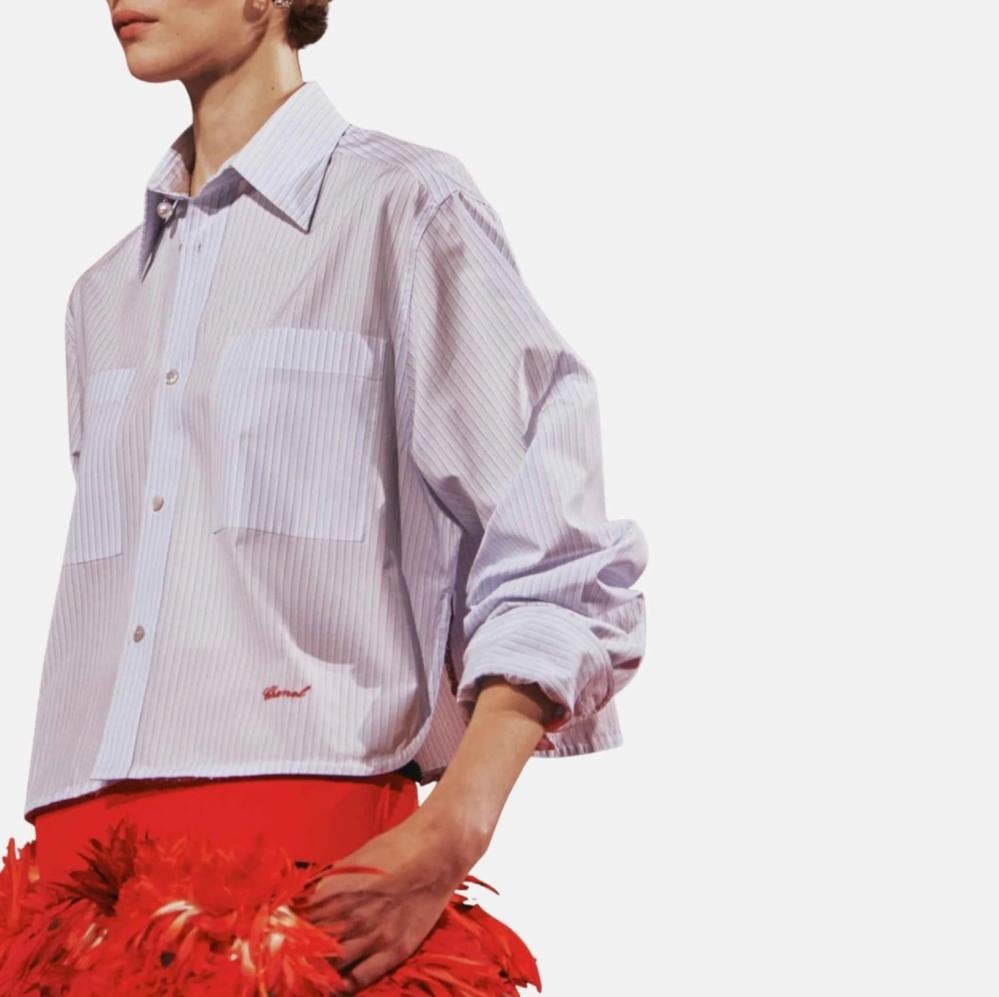
Tailoring over trend. Tailored blazers, crisp shirts and timeless accessories — the old money aesthetic channels quiet luxury, where polished silhouettes and classic pieces signal effortless, inherited elegance . A blazer cut to your exact frame does more for your presence in a room than any statement piece ever could.
Heritage jewelry, not costume jewelry. This is where the aesthetic and the asset class meet. High-net-worth individuals are adding fine jewelry to their portfolios for both emotional and financial returns , and the women who understand old money style instinctively gravitate toward the same houses that collectors do. Van Cleef & Arpels has quietly become one of the strongest-performing jewelry brands on the resale market , with the Alhambra collection remaining its strongest investment performer . Meanwhile, Cartier’s enduring prestige and reputable status make it one of the safest entry points into investment jewelry , and pieces like the Cartier Juste un Clou bracelet hold approximately 106% of their value  — proof that the most beautiful jewelry is also, often, the smartest one.
The one-bag philosophy. A structured leather bag from a Maison with decades of provenance behind it does more silent work than five seasonal handbags combined. The old money woman owns fewer bags, but each one is correct.
Why Heritage and Provenance Matter More Than Hype
There is a financial logic underneath the aesthetic one, and the two reinforce each other. The strongest investment pieces come from houses that maintain strict pricing discipline, limited production, and decades of design heritage , while brands with outlet stores or regular sales events tend to have weaker secondary markets . This is precisely why old money style gravitates toward the same handful of Maisons again and again: Chanel, Hermès, Cartier, Van Cleef & Arpels, Dior. Jewelry and watches from notable French houses are not created for influencers to show on their feeds, but rather are meant to be well-worn, held and cherished for decades and later passed down to the next generation . That is the entire point — clothing and jewelry not as consumption, but as legacy.
Sourcing the Look: Why Authenticity Is Non-Negotiable
For the woman building this wardrobe, the single greatest risk isn’t price — it’s provenance. The resale and investment value of fine jewelry and leather goods depends entirely on authenticity, condition, and the credibility of where a piece was sourced. This is precisely the gap tebougie.com was built to close.
Tebougie.com curates authenticated pieces from the exact houses that define old money style and quiet luxury globally — Chanel, Hermès, Van Cleef & Arpels, Cartier, Louis Vuitton, Dior, Fendi, Bvlgari, and Valentino — spanning fine jewelry, leather handbags, watches, and eyewear. Every piece is verified, every detail considered, with worldwide shipping for the woman building a legacy wardrobe wherever she is. For a category where authenticity is the asset, sourcing matters as much as styling.
Five Rules for Dressing Old Money in 2026
A woman fluent in this aesthetic doesn’t need a long checklist, but five principles consistently separate the authentic from the imitation:
1. One exceptional piece beats five adequate ones. A single Cartier Love bracelet outperforms a stack of fast-fashion gold in both appearance and resale value.
2. Neutral is not boring — it’s deliberate. Ivory, camel, navy, and cream are the chosen palette because they never compete with the wearer.
3. Fit is the real luxury. Your clothes fit perfectly because you paid attention to fit  — tailoring is the single highest-leverage investment in any wardrobe.
4. Buy what holds value, not just what photographs well. The
houses that resist discounting and overproduction are, not coincidentally, the same ones that define the aesthetic.
5. Provenance is part of the styling. Authenticated heritage pieces, sourced correctly, are what separate quiet luxury from its imitations.
The Final Word
Old money fashion was never a trend to chase — it’s a standard to meet. It doesn’t have a season, a shelf life, or a moment where it tips into parody and disappears . For the woman who already understands that real wealth is rarely loud, the only remaining decision is where to source pieces worthy of that philosophy. Explore Tebougie’s curated edit of authenticated fine jewelry, leather goods, and heritage accessories — built for a wardrobe meant to be worn for decades, not seasons.